Texas Redistricting
Texas has yet to learn submission to any oppression, come from what source it may …
- Sam Houston 1st and 3rd President of the Republic of Texas
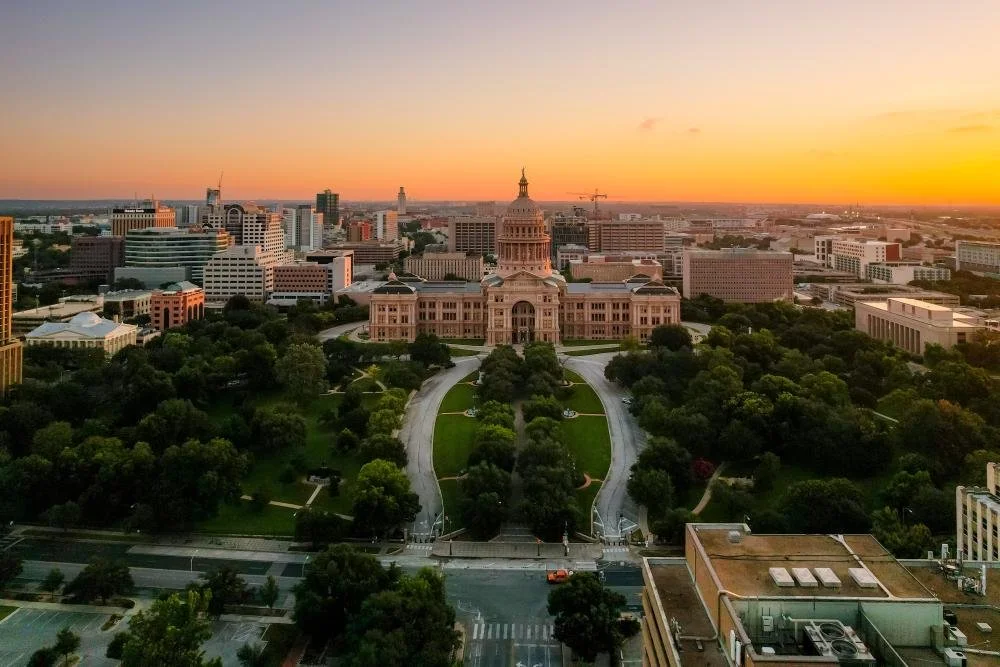
Texas, from its very inception, was founded on the basis of a single ideal. Freedom. Founded in 1836, Texas, like the rest of the US sixty years beforehand, sought freedom from what it saw as an oppressive, foreign regime. The very first line in the Texan Declaration of Independence states firmly,
“When a government has ceased to protect the lives, liberty, and property of the people, from whom its legitimate powers are derived … [it] becomes an instrument in the hands of evil rulers for their oppression.”
Just two sentences later the same theme continues,
“When, long after the spirit of the constitution has departed, moderation is at length so far lost by those in power, that even the semblance of freedom is removed”.
Throughout the document, itself just a page long, the idea of freedom from oppression is consistently present, from beginning to end. The document even signs off with,
“We therefore … do hereby resolve and declare, that our political connection with the Mexican nation has forever ended, and that the people of Texas do now constitute a FREE, SOVEREIGN, and INDEPENDENT REPUBLIC, and are fully invested with all rights and attributes which properly belong to independent nations”.
There are all manner of philosophers, theorists and academics that can argue as to what exactly freedom means, and therefore whether gerrymandering impacts on those freedoms. This report does not seek to do that. Instead, it will seek to answer two questions:
- What is gerrymandering? and
- How is impacting US elections?
On Wednesday 30th August, Republicans in the Texan House of Representatives unveiled a new redistricting plan. What this is, is a map of the constituencies that elect members to the national House of Representatives in DC. Each state creates their own map, usually around the time of the census every ten years, with the last one occurring in 2020. Typically, states will therefore change these constituencies every ten years. However, this was different. The Texan legislature was acting on the orders of Donald Trump, to “find five seats” ahead of the Midterm elections in 2026.
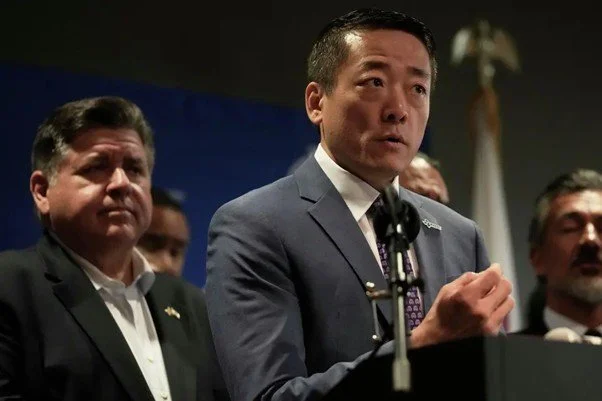
Four days later, on Sunday, 51 Democrats fled Texas. The reason was simple. Texas constitutionally cannot conduct business without 100 members present. There are only 88 Republicans. Therefore, the Democrats were attempting to prevent the new plan being passed, be waiting out this particular legislative session. A session which only has two weeks left to pass laws. Texas Democratic Leader Gene Wu declared the redistricting a “racist, gerrymandered map”.
So, what is gerrymandering?
The British/American comedian John Oliver has probably the clearest definition. He claims that gerrymandering is “the practice of drawing voting districts in a way that creates unfair advantages to whoever is drawing the lines.”
In the UK, an independent commission of civil servants, known as the Boundary Commission, redraws the Parliamentary Constituencies. Each nation has its own Boundary Commission, and they redraw the maps every five years. According to the Government website, this is done to ensure every constituency has “a similar number of voters, whilst respecting local ties between areas.” As a result, every seat is named after the area it represents. Geography permitting, most seats have between 70,000 and 80,000 voters. However, there are geographical exceptions. The Isle of Wight (split between two seats), Na h-Eileanan an lar (Outer Hebrides), Orkney & Shetland and Ynys Mon all have less voters, due to being islands. The boundaries were last changed in 2023, taking effect for the 2024 General Election.
In America, the states decide their own boundaries. In many states, this is done by politicians. In the 2019 court case Rucho v Common Cause, the Supreme Court issued the famous ruling that:
“Judging partisan gerrymandering cases is outside of the remit of the federal court system due to the political questions involved. The majority opinion stated that extreme partisan gerrymandering is still unconstitutional, but it is up to Congress and state legislative bodies to find ways to restrict that”. I.e., the system of politicians drawing the boundaries of their seats is meant to be policed by … those same politicians who are drawing the boundaries.
In 2019, Obama summed up this system by saying simply, “politicians shouldn’t be picking their voters. Voters should be picking their representatives.”
So far on this website, I have discussed how various parties have won elections within a seat. But now, lets imagine a situation where politicians draw the seats they want to win.
There are two types of gerrymandering:
- Cracking – Where a large voting bloc is divided between seats so they cannot form a majority
- Packing – Where a large voting bloc is shoved into one seat so that that’s all they can possibly win
To illustrate both, I have picked several egregious examples.
Cracking
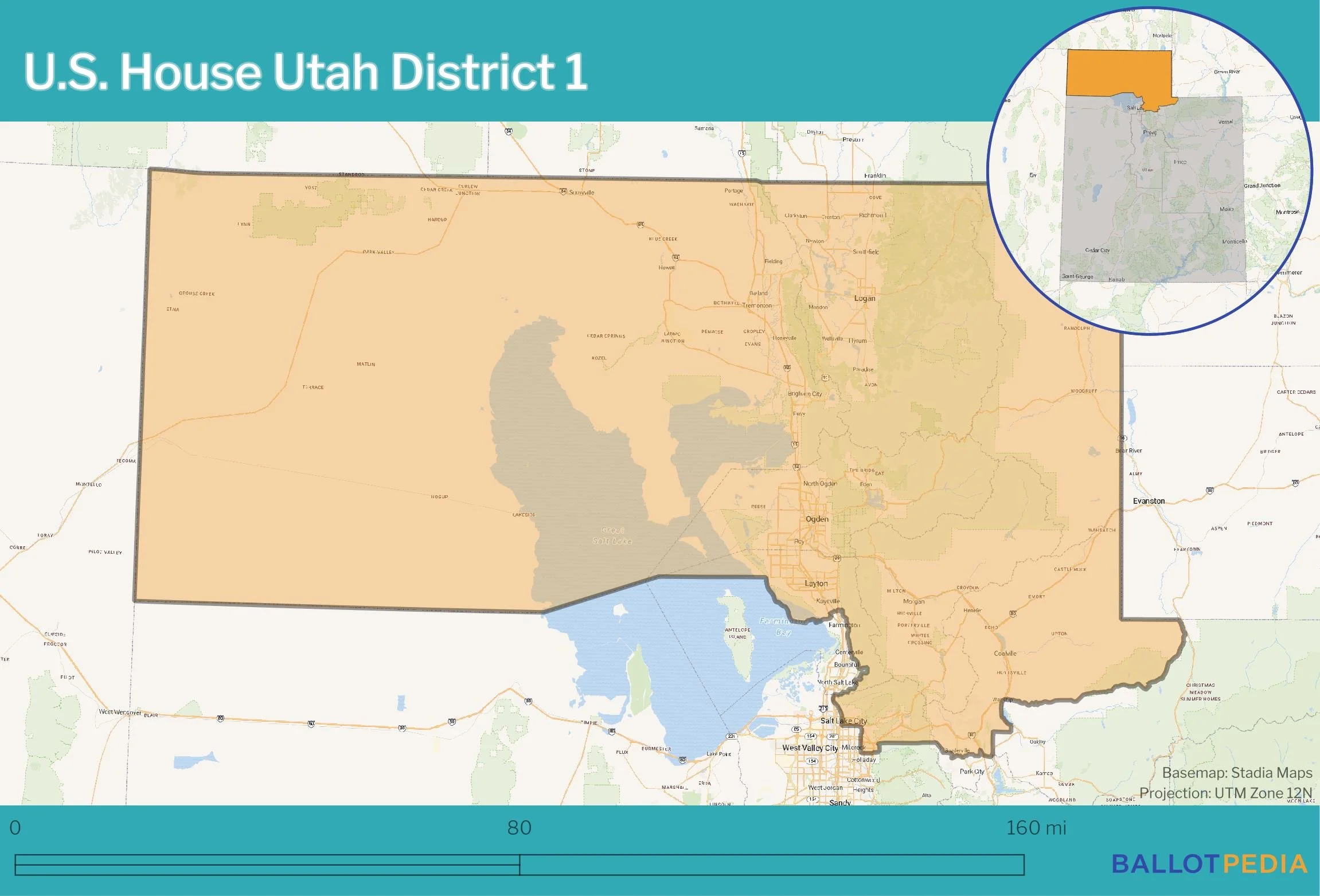
The Tennessee 5th District for over a hundred years, represented the city of Nashville. A deep blue city in a deep red state, between 1875 and 2023 the TN 5th returned a Democrat Representative. That’s 148 years. Republicans in Tennessee redrew the map, cracking the voters of the old 5th into three new seats: the new 5th, the 6th and the 7th districts. All three returned Republican Representatives by a large majority.
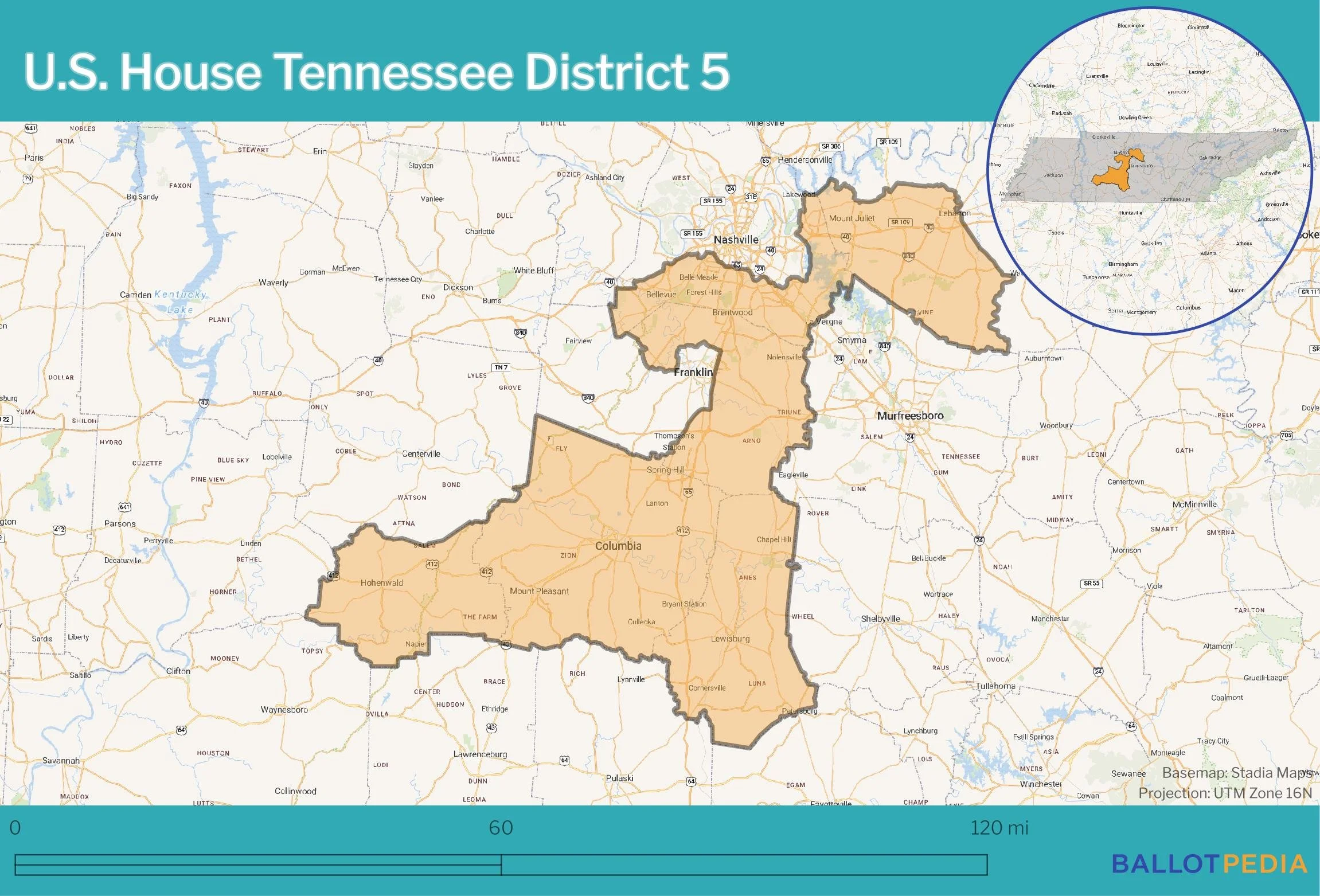
Utah is another egregious example of this phenomenon. In 2024, Kamala Harris won Salt Lake County, the home of the largest city in the state Salt Lake City, by 52,000 votes. 48% of the votes Harris won in Utah came from Salt Lake County. However, that voting bloc is split at the House level, between Utah’s 1st, 2nd and 4th Districts and currently all four incumbents in Utah, all Republican, have majorities of at least 24% with three of the four have over 30%.
Packing
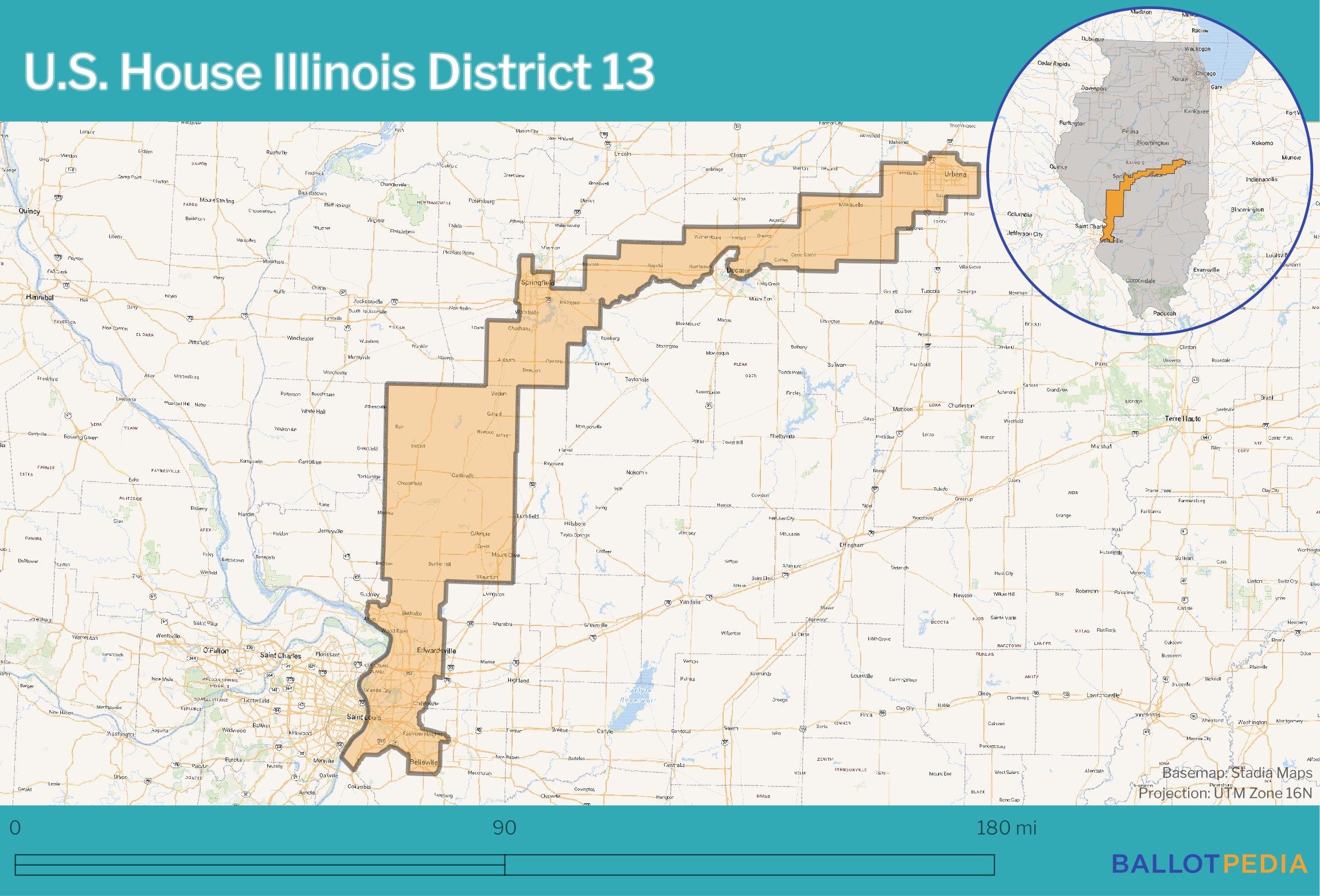
The Democrats have also tried their hand at gerrymandering. Stephen Colbert recently described the Illinois 13th District as “like a stinger on a scorpion.” The Democrats have packed their voters into a seat, in order to guarantee the win. Voters from across south-west and mid Illinois, from the settlements of East St Louis, Springfield, Urbana, Decatur and Champaign have been lumped together. From 1895 to 2023 the 13th District returned a Republican Representative, however its radical shift in geography led to a sharp shift to the Democrats.
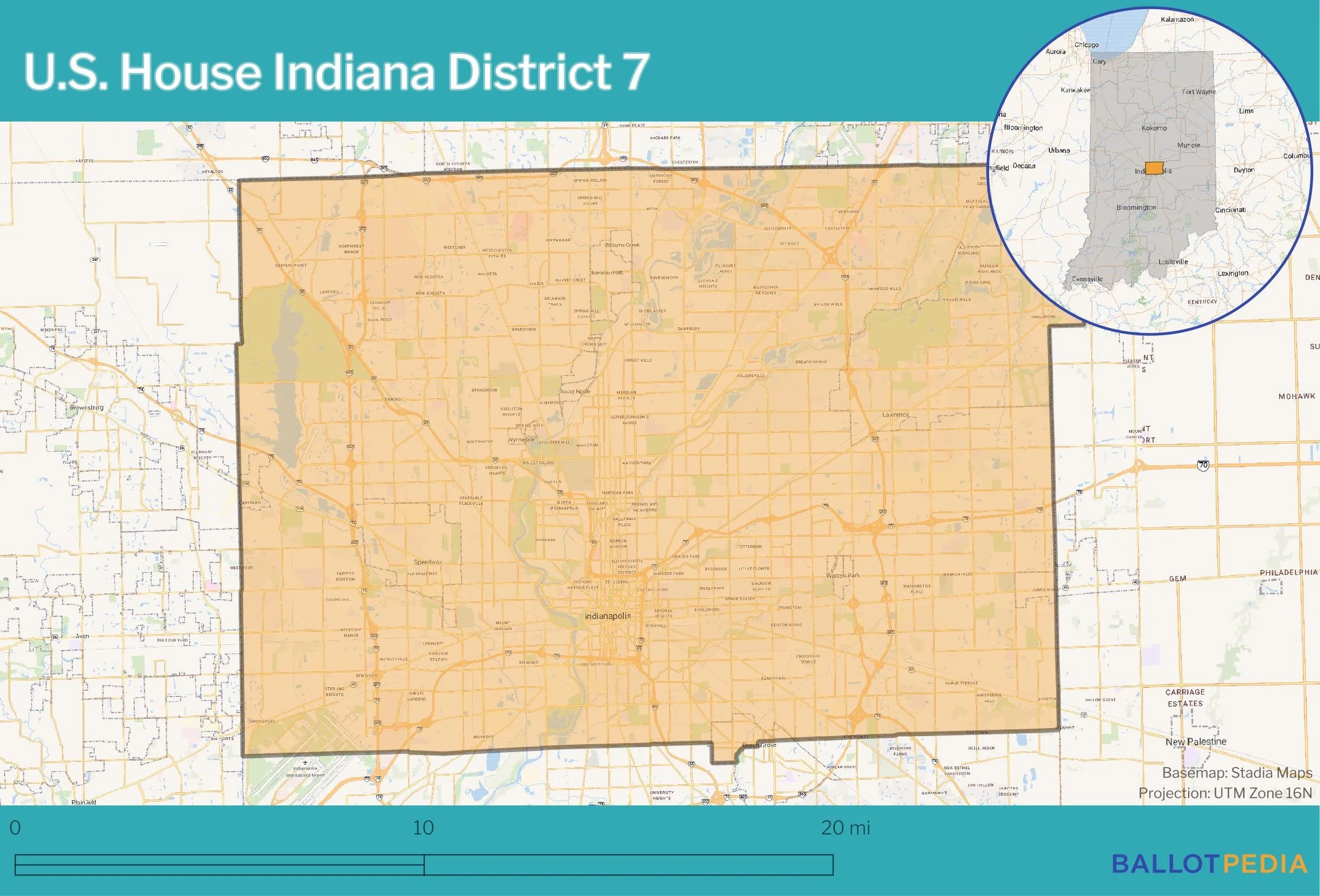
The Indiana 7th Districts is another fascinating example. A solid red state at the presidential level but like Utah has a very blue major city. Almost 900,000 of the 6 million residents of Indiana live in the city of Indianapolis. To counter this, Republican law makers packed as many Democrats as they could into one district, keeping the nearby 6th District red.
From the national level, there appears a significant gap between how voters vote, and who they end up with as a representative. On August 6th, Karl Rove appeared on Fox News waving a piece of paper with handwritten stats. It compared the percentage of the vote Trump won in various blue states, and the percentage of representatives the Republicans picked up in those states.
- In Illinois, Trump won 40% of the vote, but the Republicans only managed 17% of the representatives (3 of 17), a difference of 23%
- In New York, Trump won 43% of the vote, but the Republicans only managed 26% of the representatives (7 of 26), a difference of 17%
- In California, Trump won 38% of the vote, but the Republicans only managed 17% of the representatives (9 of 52), a difference of 21%
Rove argued strongly that the only reason for this deficit was that Democrats had gerrymandered all three states.
In 2015, UKIP controversially won 3.8 million votes at the ballot (12%), the third most of any party, but one just one seat (0.15% of the seats). This made them the joint ninth largest party in the Commons, showcasing a clear democratic deficit. A clear difference between what the ‘country’ wanted and the representation it received.
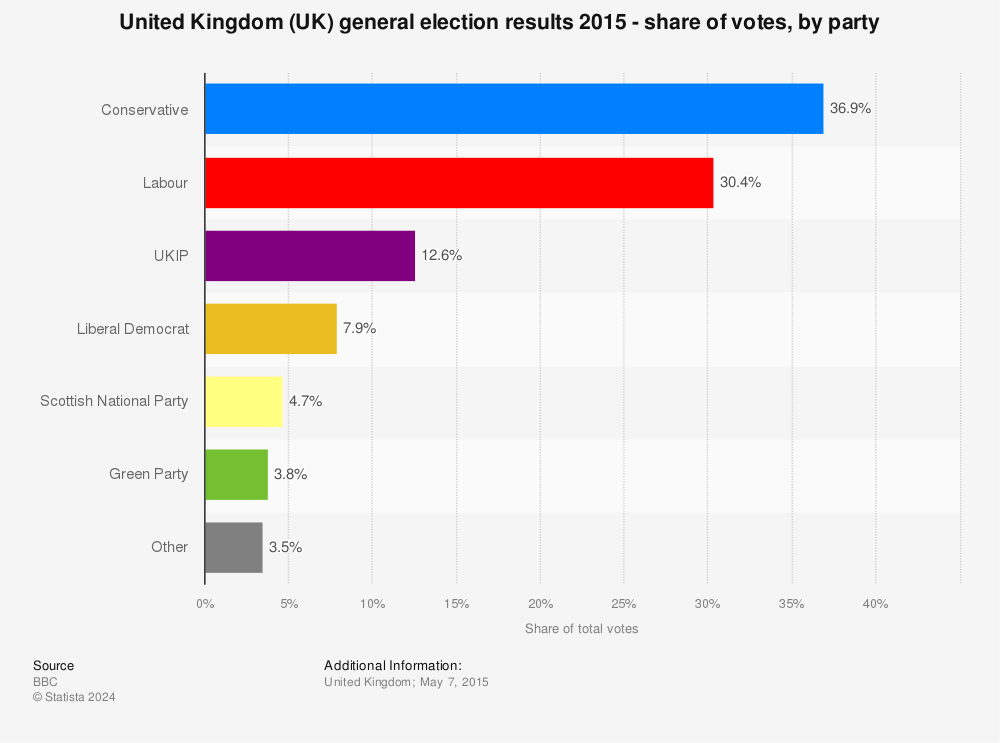
In UKIP’s case, the party fell foul of the political structure of British elections, an issue with not running a campaign to suit the constitution they faced. However, in America this democratic deficit is caused by the politicians themselves.
In this report I wanted to answer two questions: What is gerrymandering? And how is it affecting US elections?
The answer to me is clear. Gerrymandering is wrong as it erodes the very foundations of representative democracy. Instead of representing their constituents, politicians are having their constituents represent them. If you don’t agree with the opinions of your constituents, simply find some who do agree with you.
What both Trump, VD Vance, Gavin Newsom and JB Pritzker have suggested, about racing each other by gerrymandering their states as much as possible, is a race to the bottom in which democracy loses. The people of the United States, of all political persuasions, are in danger of losing their democratic rite. The same rite that both the Texan Declaration of Independence, and the American Declaration of Independence, state to be inalienable. That every single person is entitled to. Politicians are engaged in a great game, but the losers will be the American people.
Texan politician, and eventual president LBJ once said that politics is a game, “not unlike the game of football.” It seems he was right.
